For centuries, truffles have been prized for their extraordinary aroma and rarity, but they have also inspired curiosity – an aura of mystery surrounds them.
Hidden beneath the woodland floor, dependent on a delicate relationship with the trees above and discovered only through patience and instinct, they remain one of nature’s most intriguing ingredients.
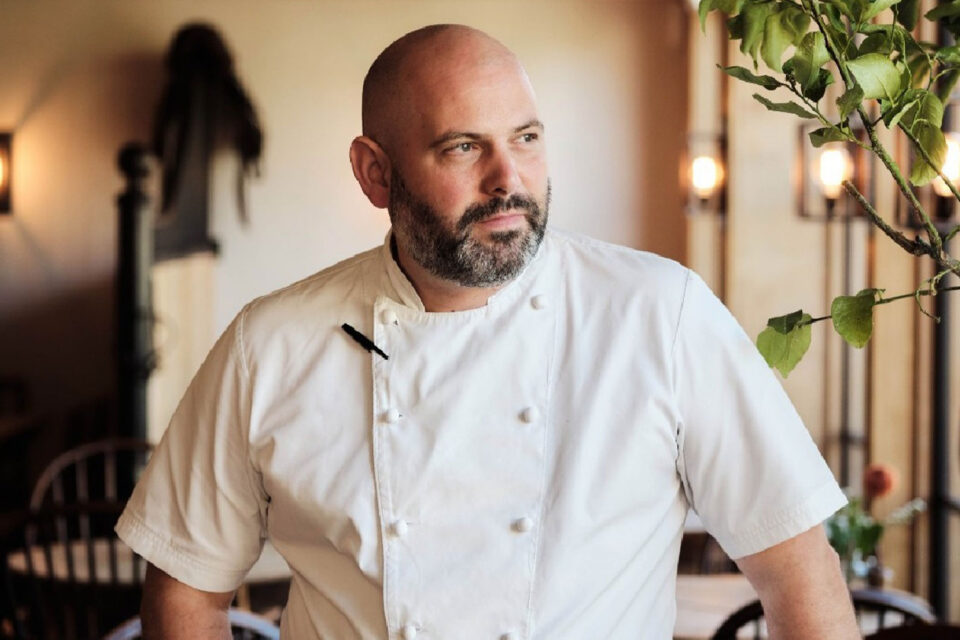
Zak Frost, founder of Wiltshire Truffles, understands this relationship better than many. His unlikely journey into the world of truffle hunting began in Italy. Having spent much of his early career travelling the world as a DJ and music producer, Zak found himself increasingly drawn to the restaurants he visited rather than the clubs he played.
Returning to his native Wiltshire, he discovered that these esteemed fungi were growing almost on his doorstep. England had once supported a thriving truffle-hunting tradition, largely forgotten by the late twentieth century. A chance introduction to a local farmer, followed by the discovery that Zak’s pet labrador had a natural talent for finding truffles, led to the beginnings of a business that now supplies some of the country’s most celebrated restaurants.
Truffles grow underground in a symbiotic relationship with the roots of certain trees, particularly in the alkaline soils found across Wiltshire, Hampshire and Dorset. Even when woodland is planted specifically to encourage their growth, it can take ten years or more before the first truffle appears, with no guarantee of success.
For Zak, this unpredictability is part of their appeal. Unlike many cultivated ingredients, truffles cannot be hurried or produced outside their natural seasons. Their size, aroma and abundance change with the weather and conditions each year.

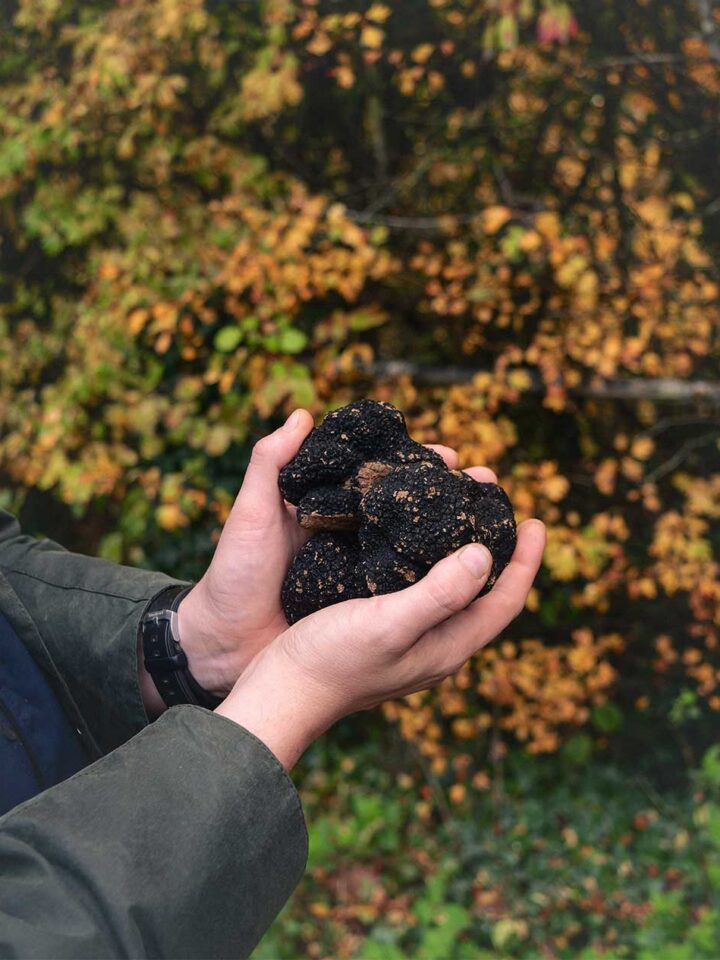
While England’s chalk and limestone soils are particularly suited to the summer and autumn truffles, the more elusive black winter and white truffles thrive in other regions. Wiltshire Truffles sources prized black winter truffles from Europe and, during the southern hemisphere’s winter, Australia, while its intensely aromatic white truffles come principally from Croatia, Serbia and Hungary. Each variety has its own distinctive character, but all remain entirely dependent on the rhythms of nature.
It is what makes their cultivation an unusually low-intervention form of food production. Wiltshire Truffles helps landowners establish new truffle woodlands, planting tens of thousands of inoculated trees each year. Once established, these woods require relatively little intervention, while creating woodland habitat and allowing trees to absorb carbon as they grow. Hunting itself involves little more than a trained dog, a knowledgeable handler and a careful search beneath the soil
Just as important to Zak is provenance. In an industry historically surrounded by secrecy and misleading claims about origin, building direct relationships with growers and hunters and championing the quality of English truffles alongside exceptional varieties from further afield is an integral part of his business. But ultimately, it is the aroma that matters most. Each truffle has its own character, shaped by its growing conditions and maturity, and freshness is paramount. Truffles begin to lose their valuable aroma after harvesting, making the journey from woodland to kitchen a race against time. Zak’s overseas partners pack freshly hunted truffles into chilled boxes and dispatch them the same day, often reaching Wiltshire Truffles the following morning and restaurant kitchens within 48 hours of leaving the ground. White truffles are particularly delicate, with a shorter shelf life than their black counterparts, making careful handling and swift delivery essential.
At The Bell, Head Chef Jason Christie is particularly drawn to the white truffle: ‘I love all truffles. They have an extraordinary complexity of flavour but for me, the white truffle is the queen of them all. It’s rare, delicious and needs very little to bring out its character. At The Bell, we serve it simply, either with buttered tajarin, a delicate egg-yolk pasta, or baked Daylesford eggs with cream.’
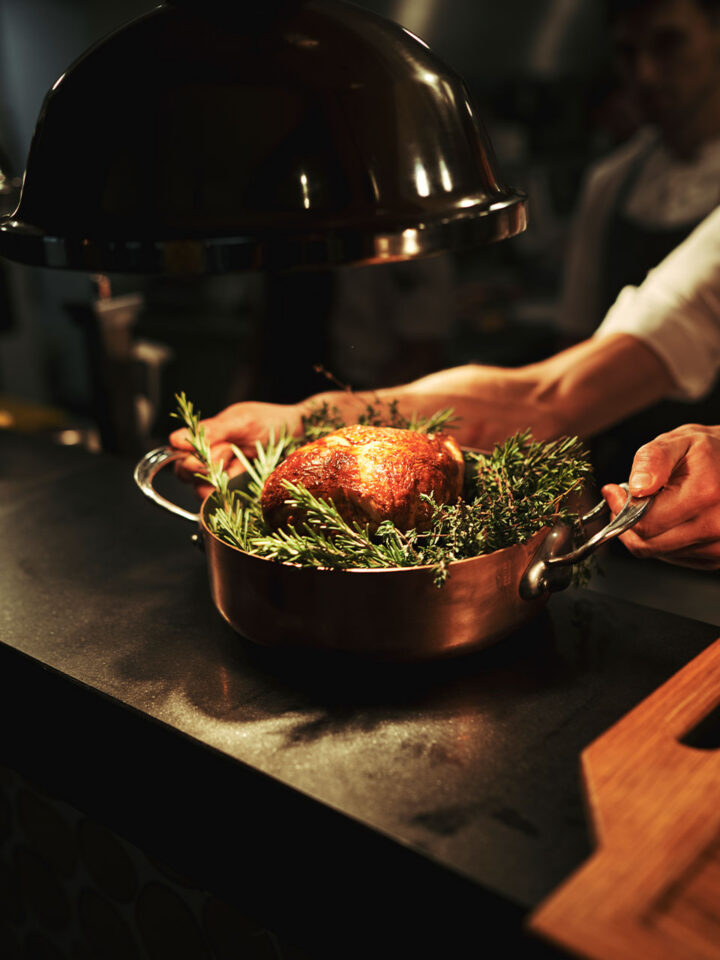
At The Wild Rabbit, Head Chef Callum Graham uses truffles to bring an additional layer of flavour to dishes that celebrate Daylesford’s produce. One particular favourite is the Daylesford chicken to share, carefully prepared using the whole bird and presented at the table before being served with its accompaniments and delicate shavings of fresh truffle.
It is a fitting expression of what makes these remarkable ingredients so special: an extraordinary gift of nature, best enjoyed when their distinctive character is allowed to shine but not overwhelm

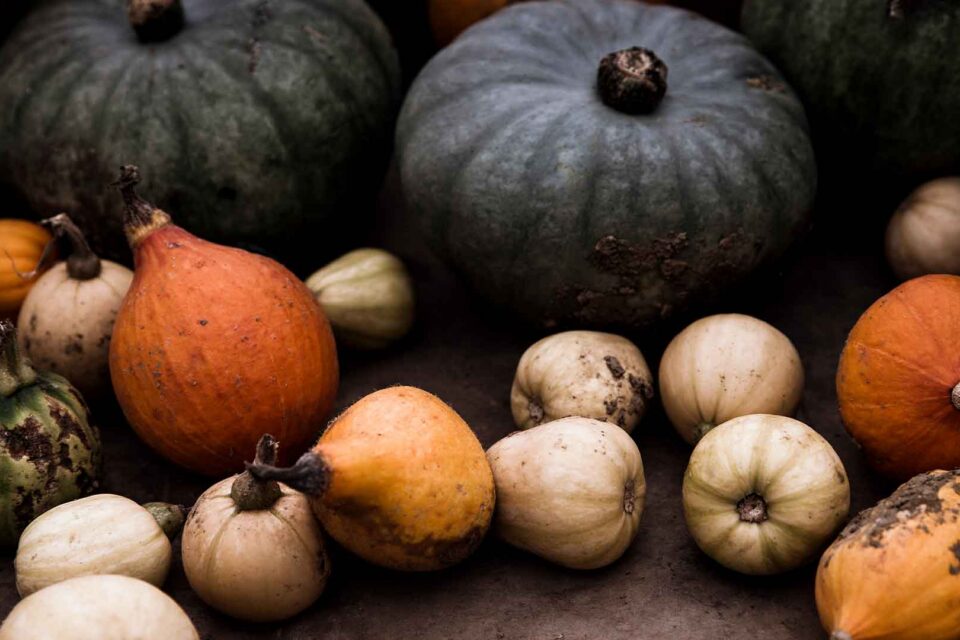
Autumn is a season of abundance. As summer crops give way to heartier harvests, the kitchen fills with ingredients that lend themselves to slower cooking and comforting meals. Among them, squash stands out as one of the season’s most versatile…...
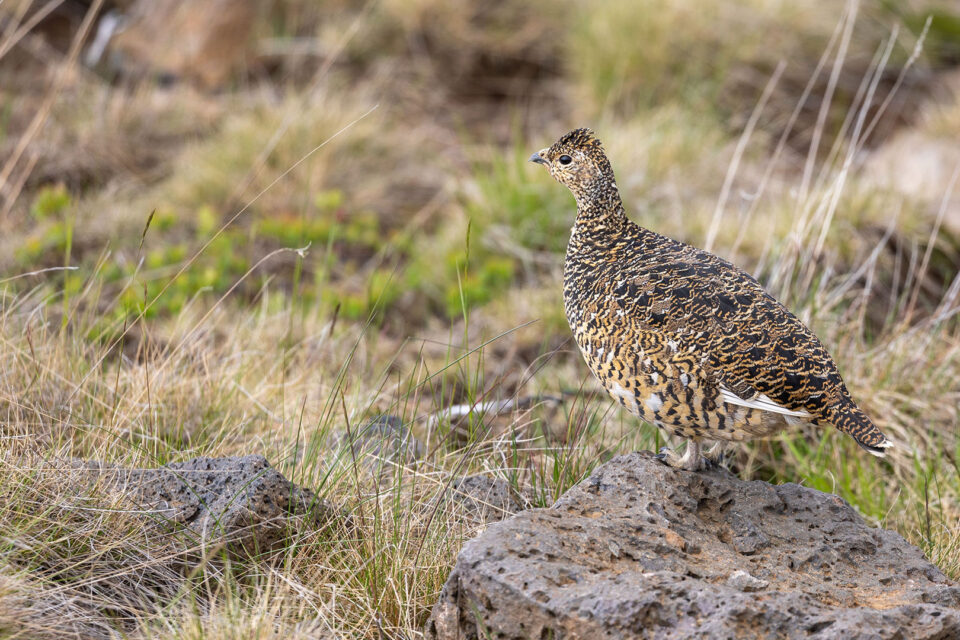
As the heather comes into bloom across Britain’s moorlands, the arrival of grouse season marks the beginning of one of the most anticipated periods in the shooting calendar. Running from August through to December, it celebrates one of the country’s…...